I still remember the first time I watched a windshield chip disappear. It was a January morning in Greensboro, the sort that leaves a crisp glaze on everything and makes small problems split into big ones. A commuter parked outside his office near the 27402 post office with a dime-size bullseye, fresh from a stone on Wendover. We caught it within hours. Twenty minutes later, under a pale sun, the blemish looked like a faint freckle. Not storybook invisible, but close enough that you had to know where to look. That’s the honest benchmark.
The truth about “invisible” chip repair sits somewhere between marketing and physics. A quality repair restores strength, stops spread, and often leaves only a whisper of a scar. Done right, you’ll forget it exists during daily driving. Done poorly, it blooms into a crack that marches across your view the next time temperatures swing or you hit a pothole on Battleground.
Let’s dig into the craft behind a near-invisible repair, when replacement makes more sense, and how to navigate the Greensboro landscape, from 27402 out to 27401 and beyond.
What “Invisible” Really Means on Laminated Auto Glass
Windshields are laminated sandwiches: two layers of glass with polyvinyl butyral (PVB) fused in the middle. A rock chip usually damages only the outer glass, though the PVB can whiten, and micro-fractures radiate outward. When technicians inject resin, they’re not buffing out a scratch; they’re filling voids at a microscopic level, matching refractive index so light passes through without scattering.
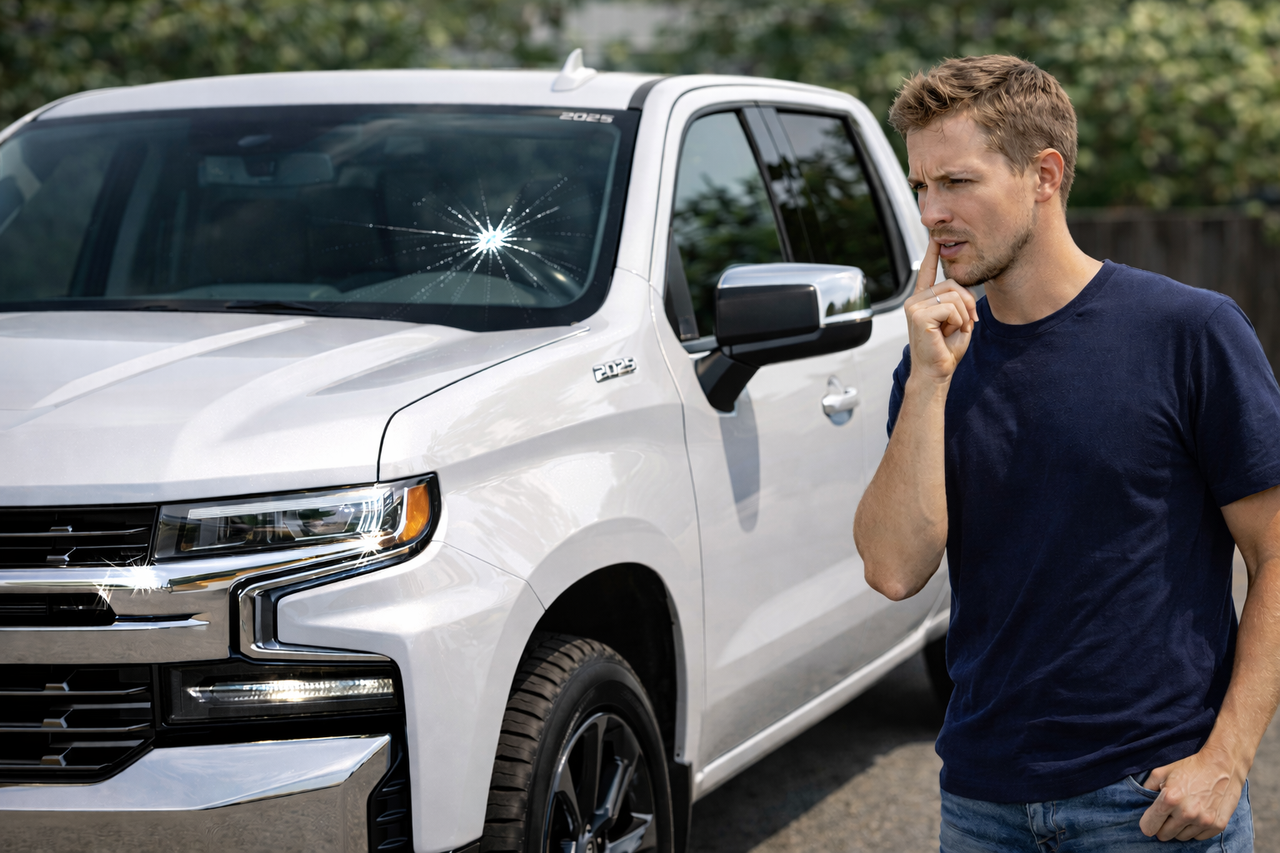
Even with perfect technique, a chip’s impact point, called the “pit,” remains. After cure and polish, that pit looks like a tiny mosquito bite under the wiper sweep. On clear days, it nearly vanishes. Under low sun, you might notice a soft halo from certain angles. If someone promises absolutely zero trace in every light, they’re overpromising. In my shop notes, I mark post-repair visibility on a scale: from 1, “barely perceptible,” to 5, “obvious.” Most quality repairs land at 1 to 2. Age, size, and contamination push you higher.
Time, Temperature, and the Greensboro Effect
Greensboro weather tests auto glass. Summer heat on black dashboards can drive cabin temps past 120 degrees. Winter nights drop enough to shrink glass and stress weak points. If a chip sits unfilled, temperature cycles pump moisture and grit deep into the break. Resin hates contamination. The result is a repair that still holds strength but shows its history more.
I’ve seen pristine near-invisible results on chips repaired within 24 to 48 hours. Let that same chip ride through a weekend thunderstorm, and your odds drop. If you’re near downtown in 27402 or over in 27401, a quick call to mobile windshield repair can pay for itself in optical quality alone. Many Greensboro teams operate same‑day, especially for simple bulls-eyes and star breaks that haven’t sprouted legs.
The Anatomy of a Clean Repair
A good tech in Greensboro follows a cadence that looks simple but hinges on small decisions. They’ll inspect the break type, tap test the legs to judge depth, and stage the repair where temperature and shade cooperate. Resin viscosity gets chosen based on the break. Thin resin flows into micro-fissures; thicker resin stays put in wider voids. UV cure times adjust with sunlight intensity, or a handheld UV lamp stands in when we’re under cloud or in a parking deck off Eugene Street.
Here’s the short version that separates good from great:
- Keep contamination out. Tape a fresh chip if you can’t get it fixed immediately. Avoid glass cleaners with ammonia before repair; the vapors can get trapped and haze the PVB. Match resin thoughtfully. A star break with long legs needs a more mobile resin than a tight bullseye. Mixing viscosities during the fill is an art, especially when heat builds and resin thins. Cycle vacuum and pressure. A single pressurize-and-pray pass leaves micro-voids. Multiple cycles draw out air and moisture, then push resin deep into every leg. In bright summer sun, working in shade prevents resin from flashing off too early. Cure completely, then finish the pit. Pit fill resin is different. After cure, a clean scrape and polish with the right block makes that final surface blend.
Give a patient tech twenty to thirty minutes and a stable workspace, and you’ll get a repair that holds up through I‑40 speed, winter de-icing, and a car wash on Lawndale.
When a Repair Can Be Nearly Invisible - And When It Can’t
Certain break types take resin so well they almost disappear. A classic bullseye, smaller than a quarter, caught quickly and kept clean, can finish at a “1” on that visibility scale. Tiny combination breaks often end up at “2,” which you won’t notice from the driver’s seat unless you hunt for it.
On the other hand, long cracks, deep star legs with crushed glass at the impact, or chips that sat for weeks and collected soot on South Elm are never cosmetic home runs. They can be safe and stable, but you’ll see more of them. If a leg reaches the glass edge, the repair might hold for months, but edge stress lives there, and spread risk rises. That situation often tips the scale to replacement, especially for windshields that carry ADAS cameras.
ADAS Cameras and Why 2016+ Vehicles Change the Rules
Modern vehicles pack lane-keeping and collision cameras behind the glass. On a Subaru, Toyota, Ford, or GM in the Greensboro fleet, the forward camera sees through a precise patch of windshield. A chip in that zone, even small, can blur or refract enough to confuse the sensor. Shops doing greensboro windshield replacement in 27402 and 27401 now pair installs with ADAS calibration, static or dynamic, depending on the vehicle.
Could you repair a chip in the camera’s view? Sometimes, but the bar for optical clarity is higher. I generally advise replacement if the damage sits within the wiper sweep in front of the sensor or blocks more than a half-inch circle in that area. Greensboro ADAS calibration teams can finish recal within one to three hours after replacement. Skipping it isn’t just a warning label; it’s a safety issue, and insurers increasingly require proof.
Replacement vs. Repair: Making the Call
Three factors guide the decision: safety, visibility, and economics. If the damage compromises structural integrity or obstructs view, you best auto glass shop Greensboro replace. If it’s small, stable, and not in critical sight lines, repair buys you time and money.
Greensboro drivers often ask whether OEM glass is worth it. If you drive a vehicle with advanced driver assistance, OEM or high-grade OE equivalent glass keeps camera geometry true and coatings consistent. Aftermarket glass can be solid on many models, but coatings and curvature tolerance matter for calibration. Insurers in the area will usually approve OEM when ADAS or acoustic interlayers are specified from the factory, though policies vary. For older models or rear glass, quality aftermarket can be a smart, fast option.
A quick anecdote from a fleet in 27402: we managed twenty-five trucks that racked up highway miles on US‑29. By repairing chips immediately and replacing only when cracks surpassed six inches or reached an edge, they cut their auto glass spend by roughly 35 percent over a year. They also stopped morning downtime from splits that appeared after cold snaps.
What Mobile Repair Looks Like Around 27402
Most Greensboro mobile auto glass teams cover 27402, 27401, 27403, and surrounding zips in a single day. A typical rock chip repair runs 15 to 40 minutes. Mobile windshield replacement, front or rear, lands in the 60 to 120 minute range, plus safe-drive-away time while urethane cures. In the humid summer, cure times can be faster with high-temp urethanes. In cold weather, techs bring heated cartridge guns and monitor cure windows closely. If ADAS calibration is needed, some do it on-site with targets and proper floor space; others bring the vehicle to a controlled bay. Both approaches work as long as they follow the factory procedures.
For simple greensboro windshield repair near 27402, curbside service in a shaded spot beats direct sun. For full replacements, flat ground and a wind-sheltered location help prevent dust from sneaking into the bond line. Good techs carry canopies for both reasons.
Insurance: Claim or Pay Cash?
Chip repairs often fall under the “no deductible” clause with comprehensive coverage. Insurers prefer a $0 repair over a $300‑$600 replacement. If you do run a claim for a full windshield replacement in 27402 or 27401, many carriers won’t ding your rates for a glass claim alone, but every policy is different. Ask about OEM glass authorization and calibration coverage upfront. A straight, transparent answer saves rework later.
Plenty of drivers pay cash for convenience. In Greensboro, a single chip repair typically costs less than the price of a full tank of gas, and some shops discount additional chips on the same pane. If a shop quotes you a price that seems too good to be true, ask about the resin brand, warranty on spread, and whether their techs hold current certifications. The low bid sometimes hides shortcuts you’ll pay for when that tiny leg inches east toward the A‑pillar.
Pitfalls That Ruin Cosmetic Results
I’ve walked up to chips that could have been nearly invisible and found the odds stacked against them. The culprits repeat.
Parking with the chip facing the sun and baking it all afternoon turns moisture into a stubborn vapor pocket. The tech can cycle vacuum and heat, but optical quality drops. Spritzing the chip with household glass cleaner pushes surfactants into the break. They foam during cure, leaving haze. Slapping on a dirty piece of packing tape traps grit that becomes a permanent shadow. Running your finger across the pit presses micro glass dust into the legs.
The smarter move is boring: cover the spot with a clean, clear tape, keep it shaded, and schedule repair the same day. If you’re near 27401 or commuting into 27402, mobile windshield repair greensboro can usually meet you in a parking lot between meetings. That small decision often draws the line between a ghost and a blemish.
When Replacement Turns Out Cleaner, Safer, Cheaper
There’s a threshold where repeated repairs or marginal cracks cost more than a single, well-executed replacement. If you see multiple chips, a long crack that stepped across a defroster vent, or damage in the driver’s direct sight line, go straight to greensboro windshield replacement in 27402 and pair it with calibration if your car needs it. Strength returns to factory spec, and visibility becomes pristine. If you plan to sell the car, a clean windshield pays you back in minutes when a buyer doesn’t have an easy excuse to negotiate.
One detail folks skip: rear and side glass. Back glass is tempered, not laminated, so chips don’t get repaired; they spider and pop. If you’ve got a hatch glass heated grid issue or a tailgate window on an SUV, replacement is the only path. Side windows follow the same rule. Greensboro side window replacement, whether in 27401 or 27402, is quick work for a good team and restores security the same day.
Craft, Not Gadgets: The Technician Factor
Resin chemistry improved over the last decade, and bridge tools got more precise, but the real variable is the person behind the kit. A seasoned auto glass technician in Greensboro carries instincts that come from hundreds of chips: how much pressure a star leg can take before it runs, how heat from a UV lamp will thin resin, how a slight tilt of the vehicle helps air rise out of the break. They’ll also say no when a repair isn’t in your best interest.
Ask two questions when you book greensboro windshield repair in 27402. First, how they decide between repair and replacement. Second, whether they stand behind spread after repair. A shop that does both repairs and replacements won’t try to force one answer. A real warranty, often lifetime against spread for the area treated, signals they trust their workmanship.
A Note on Glass Choices: OEM vs. Aftermarket
On vehicles with complex camera suites or head-up displays, OEM or OE-specified glass keeps coatings and curvature within tight tolerances. On many mainstream models without HUD or advanced coatings, high-grade aftermarket panels perform well, especially from reputable manufacturers with good distortion control. In the 27402 and 27401 corridors, both options are common. If you’re particular about acoustic attenuation or solar coatings, specify it. The price difference can be meaningful, but so is the cabin noise on a highway run to Burlington.
Quick Field Guide for Greensboro Drivers
Use this only as a pocket reference to set expectations. It won’t replace a tech’s eyes on your glass.
- Chip smaller than a quarter, no legs to the edge, repaired within 48 hours: likely near-invisible, strong, low cost. Chip with long legs, visible crushed glass at the pit, or contamination from age: structurally repairable, cosmetic trace likely. Crack under 6 inches not touching edges: sometimes repairable, but visibility remains; replacement may be smarter with ADAS. Damage in ADAS camera view or driver’s primary sight line: replacement recommended, then ADAS calibration. Rear or side glass damage: replacement only, usually same‑day.
Greensboro Logistics: Making Service Work Around Your Day
If you work near North Eugene or Market and live in 27403 or 27401, the most efficient play is mobile service to your office lot for chips, or a morning drop for replacement with calibration. Plan for light rain coverage if weather threatens; a good crew brings canopies. If you park in a tight deck, ask the team to stage curbside or at street level where they can set targets for ADAS if needed.
For fleets in 27402, batch chip repairs once a week to catch everything early. It’s the single best cost control you’ll implement. For families, keep a small roll of clean, clear tape in the glovebox. It’s remarkable how often that simple step pays off after a weekend up US‑220 where trucks shed pebbles like confetti.
The Payoff: Safety First, Looks Close Behind
A clean repair gives you back strength and visibility for a fraction of replacement, and on the right break, it’s cosmetically satisfying enough that you forget about it entirely. That’s the sweet spot. If the damage demands a new windshield, a proper install with the right urethane bead height, pinch-weld prep, and an OEM-spec pane, followed by a correct ADAS calibration, returns your car to the condition the engineers intended. Either route, the bar is safety; cosmetics follow.
I think back to that January bullseye outside the post office in 27402. The driver found the spot only after I circled it with a wax pencil. Six months later, he stopped by for wipers and squinted at the glass like it was a magic trick. Not magic, just disciplined steps, done quickly, before time and weather had their say.
If you’re staring at a fresh chip today, cover it, keep it cool, and ring a reputable greensboro windshield repair team in 27402 or 27401. Give them twenty to thirty minutes, and you’ll likely end up with a windshield that looks the way it should and holds the way it must. That’s as close to invisible as the real world gets, and for the miles ahead on Wendover, Elm, and I‑40, it’s exactly what you want.