Weather quietly writes the maintenance schedule for your windshield. It decides when a small chip turns into a foot-long crack, when a wiper blade starts gouging a haze into your line of sight, and when adhesives cure properly after a replacement. In the 27412 area, our weather swings from hot, humid afternoons to sudden cold snaps and occasional severe storms. Those swings create stress on laminated glass and the structural systems that hold it in place. After two decades of handling repairs and replacements around Greensboro, I’ve learned that understanding these patterns saves money, preserves safety features, and keeps you from chasing preventable problems.
The physics behind chips that turn into cracks
Your windshield is laminated: two layers of glass bonded to a polyvinyl butyral interlayer. It is engineered to flex slightly without shattering, to support the roof in a rollover, and to give advanced driver assistance systems a stable, consistent platform. Temperature change is its biggest enemy. When a hot day is followed by a cool evening, the outer glass contracts faster than the inner layer. Any defect becomes a stress concentrator. A coin-sized chip picked up on West Market Street in the afternoon can spider overnight if you park outside.
I’ve seen this more often in late September and March, when 30 to 40 degree swings in a single day aren’t rare. People call in the morning saying they left a pebble mark near the edge and woke up to a crack crawling into the central viewing area. Edge damage spreads faster because the stress along the perimeter is higher. If you can cover a chip with a quarter and it’s not in the driver’s critical view, a properly executed resin repair usually holds. Once it crosses 6 to 8 inches, the probability of a stable repair plummets and a 27412 Windshield Replacement makes more sense.
Heat, humidity, and summer realities
Summer in 27412 brings heat, humidity, and intense sun on parked vehicles. That combination bakes dashboards and accelerates the breakdown of urethane adhesive beads that secure glass to the pinchweld. If your windshield was installed with an outdated primer or a shortcut on surface prep, you may not see the failure right away. You might hear a faint whistle at 45 miles per hour, or notice a damp odor after storms. Over time, a compromised bond threatens structural integrity and allows water intrusion that corrodes hidden metal seams.
UV also degrades wiper blades, especially when they rest on a hot windshield all day. I advise replacing blades at least every six months here, sometimes quarterly for vehicles parked outdoors. That sharpens clearing efficiency in thunderstorms and prevents micro-scratching. Those small arcs you see when facing oncoming headlights on Bryan Boulevard often trace back to dry, hardened rubber acting like 1,000 grit sandpaper.
Heat affects rock impacts too. On a 95 degree day, highway surfaces radiate additional thermal load into the glass, and tires toss stones further. I’ve replaced windshields on SUVs that picked up chips while driving under overpasses where construction debris gathered near expansion joints. When the glass is already at a high temperature, the impact energy travels quickly through the outer ply, creating a longer crack than the same impact would in early spring.
You can blunt the risk by parking in shade and avoiding dramatic thermal shocks. If your windshield is blazing hot, resist blasting ice-cold air at it immediately. Let the cabin cool for a few minutes, then direct moderate A/C up to the glass. That slows the intra-layer temperature gradient and reduces stress. I have seen cracks grow visibly when drivers hit MAX A/C after leaving a soccer tournament, the difference between 140 on the surface and 60 from the vents becoming the final straw.
Winter mornings, defrosters, and brittle edges
Cold presents the opposite set of challenges. Glass contracts and becomes less forgiving. If a chip exists, cold stiffens the surrounding area and encourages rapid crack propagation. The defroster adds a new layer of complexity. It concentrates heat along the lower interior edge. That uneven heating creates a thermal gradient that can launch an upward crack like a ruler-straight line. It is never fun to watch as you sip coffee and wait for the fog to clear.
Use the defroster gently at first. Start with lower fan speeds and gradually raise the temperature as the interior warms. A fabric windshield cover overnight helps limit frost buildup so you are not tempted to scrape aggressively. Scrapers can scratch if used on dry, dusty glass. Combine a light mist of washer fluid with a soft-edged scraper to reduce scuffs.
For anyone commuting across 27401 to 27412 during cold snaps, chips should be stabilized quickly. The cost of a resin repair is modest compared to a full replacement, especially when ADAS calibration enters the picture. If you need an auto glass quote 27412 or an auto glass quote 27401, ask specifically about mobile resin repairs during cold weather and the technician’s process for controlling temperature on-site. Technicians who carry warming pads and moisture control equipment will produce better winter repairs than those who work straight from the truck.
Storm season, road grit, and the hidden hazards of heavy rain
Severe rain exposes weaknesses you might miss in fair weather. A well-sealed windshield sheds water with nothing more than a uniform rush and the rhythmic sweep of blades. A compromised seal, even a tiny void, will whistle as the pressure changes or draw water along the A-pillar during prolonged storms. I hear about it after the first tropical system sends bands through Guilford County. Drivers report a damp floor on the passenger side, yet the leak rarely starts at the glass center. It wicks from the corner, travels behind trim, and pools hours later.
Heavy rain also re-floats grit that settles along the edges and in cowl drains. If the cowl fills with debris, water can back up and find the easiest path into the cabin, sometimes through a marginal windshield bond. Keeping the cowl clear is boring maintenance that pays dividends. A five-minute check during oil changes will save you from musty carpet and fogging issues.
Hail is another story. We do not get Plains-sized hail often, but we get enough pea to marble-sized stones to matter. Laminated windshields resist penetration better than tempered side glass. I’ve replaced multiple side windows in 27405 and 27407 after a single cell, while the windshields held. That said, hail can bruise the outer ply and leave small crushed cones that look harmless. In heat or under wiper pressure, those cones open into chips. If your vehicle sits outside during a hail event, scan the glass in good light the next day. A 10 minute inspection catches damage before it spreads.
When road crews lay fresh aggregate or patch potholes, loosened stones multiply. If you drive through 27403, 27408, or 27410 during active work, leave extra following distance. That one car length you give a dump truck or lifted pickup can be the difference between a clean windshield and a fresh bullseye.
Adhesives, curing windows, and why timing matters
When you need a 27412 Windshield Replacement, weather shapes the schedule. Urethane adhesives cure based on temperature and humidity. Most modern systems offer safe drive-away times from 30 minutes to several hours, but that assumes conditions within a defined range. On a cold, dry morning, the same adhesive that cures in 45 minutes at 70 degrees and 50 percent humidity could take much longer to reach structural strength. An experienced Auto Glass Shop near 27412 will choose a formulation and primer system that fits the day, then verify with a tack test and time buffer.
I advise customers not to fixate on the quickest promised drive-away. Safety beats speed. Ask whether the shop uses high-modulus, non-conductive urethane approved for vehicles with rain sensors and ADAS cameras. Confirm they track batch numbers and expiration dates. If you’re comparing an auto glass quote 27412 with a quote in 27410 or 27408, dig into the adhesive brand and the stated safe drive-away time for that day’s conditions. It is worth waiting another hour if it means the bond meets FMVSS standards when you pull onto Friendly Avenue.
Summer humidity can actually help moisture-cure urethanes, but high heat makes surface prep trickier. Primers and activators flash off faster, and glass outgassing can trap contaminants if the technician rushes. The best installers slow down on prep when the sun is blazing. They shade the work area, adjust dwell times, and avoid touching the ceramic frit near the bond line. When you see that discipline, you’re in good hands.
ADAS cameras, rain sensors, and why clear glass is only half the job
Modern windshields often host a forward camera for lane keeping and automatic emergency braking. They also carry light and rain sensors, sometimes HUD elements. After a replacement, many vehicles require static or dynamic calibration. Weather affects both Greensboro back glass replacement processes. Static calibration needs controlled lighting and a stable environment to align the camera to targets. Dynamic calibration needs steady roads and consistent markings, which heavy rain can obscure. If your schedule allows, plan replacements around storms so the calibration completes the same day.
Calibration matters because a slight misalignment can shift the camera’s perception and degrade lane-keeping or collision warning performance. I have watched vehicles that should flag a car at 120 feet fail to alert until 80 feet because a camera sat half a degree off. That difference feels small on paper, but it changes reaction time on Wendover Avenue. If your installer in 27412 or nearby 27409 offers mobile service, ask whether they can perform OEM-level calibration on-site and what they do when weather prevents dynamic routines. A reputable Auto Glass Shop near 27412 will reschedule calibrations rather than push a car out the door with a multifunction camera left unverified.
What makes an impact worse near the edge
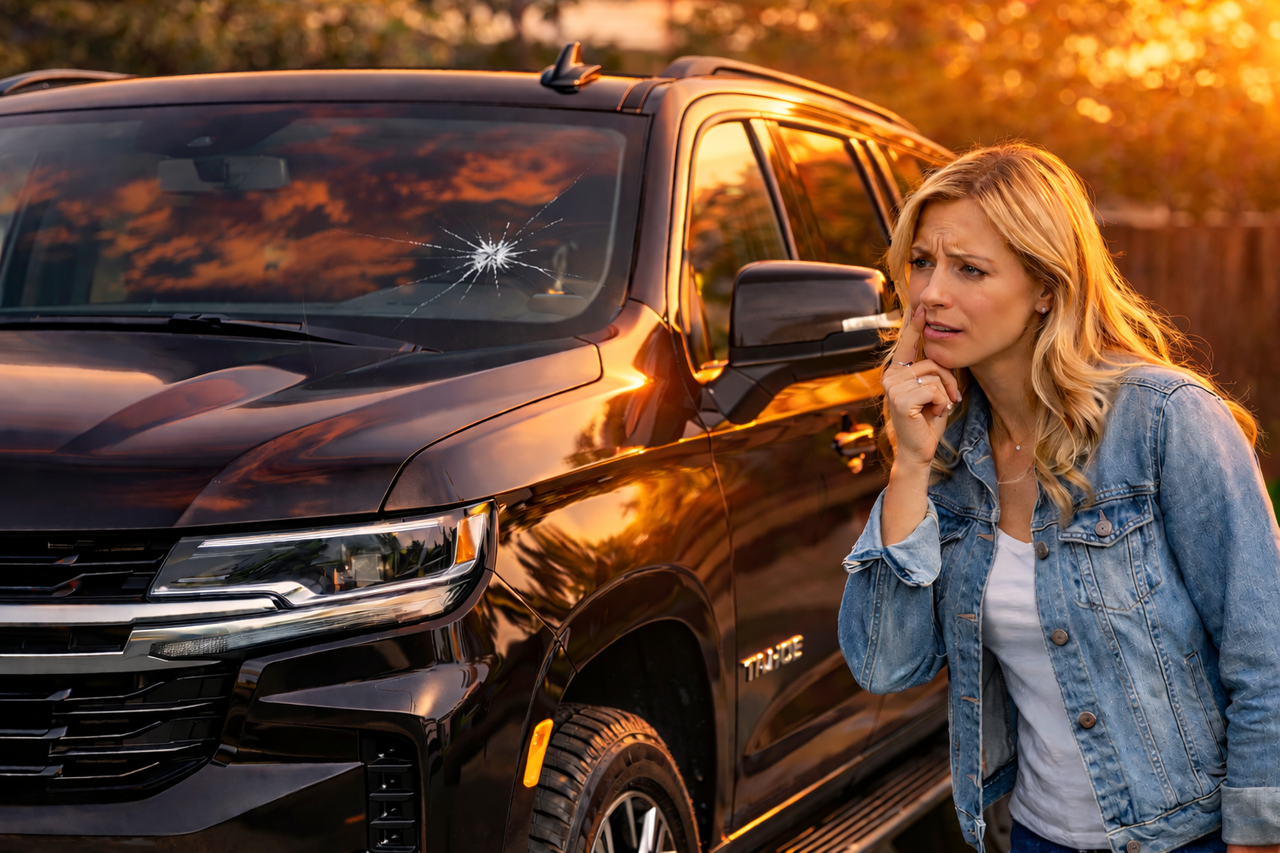
Edges carry stress. The glass is supported and bonded around the perimeter, and any flaw there interacts with both the adhesive and the curvature of the glass. I pay extra attention to chips within two inches of the edge. A common scenario: a small chip hides under the black ceramic band, looks stable, then expands after a week of daily temperature cycles. If you spot damage that close to the edge, it tips the decision toward replacement, especially on vehicles with ADAS where stability is critical.
Another factor is glass quality and thickness. Not all aftermarket glass is equal. Many aftermarket windshields perform well and meet DOT standards, but I have seen poor optical quality that creates distortion near the edges. When combined with rain, that distortion strains the eyes and fatigues the driver. If you are sensitive to optics, consider OEM glass for vehicles like late-model SUVs with curved windshields. The price difference can be worth it. When requesting an auto glass quote 27412, or comparing with auto glass quote 27411 or 27410, ask for the glass brand, optical class, and whether it matches OEM thickness and tint.
Local patterns by ZIP that influence glass wear
In 27412, the mix of campus traffic, shaded streets, and frequent short trips means windshields see lots of thermal cycles with relatively low average speeds. Chips happen at lower speeds on neighborhood roads due to sanding and construction, then expand overnight as the car cools under trees. I keep more resin kits on hand here for rapid spot repairs.
To the north in 27408 and 27455, multi-lane corridors and higher speed runs produce fewer chips but larger ones when they occur. Following distance shrinks at 50 mph, so stones thrown by SUVs hit with more energy. Over in 27407 and 27409, proximity to industrial routes means heavier truck traffic, leading to more debris impacts in summer. In the denser parts of 27401 and 27403, tight parking increases scraper marks, wiper wear, and micro-abrasion from dust settling under streetlights.
If you commute across several of these zones, maintenance becomes more important than any single hazard. Carry clear tape in the glove box for emergency chip covering, replace blades routinely, and wash the windshield with a soft mitt to remove the abrasive film that forms in pollen season. Pollen seems soft, but combined with dust and a dribble of washer fluid, it creates a paste that dulls glass over time.
Repair or replace, and how weather tips the decision
People often ask whether to repair or replace. Weather and timing often decide.
A small, fresh chip in mild conditions responds well to resin. The key is cleanliness and moisture control. If rain soaked the chip overnight, water occupies micro-crevices and must be driven out gently with heat before resin flows. A rushed repair on a wet chip traps moisture that can haze later.
Longer cracks or edge damage push toward replacement. If a storm is due within 24 hours, rescheduling a replacement in favor of a temporary stabilizing measure might actually be safer, especially if calibration would otherwise be delayed. I have rescheduled several 27412 jobs by a day to ensure the adhesive cured and the camera calibrated under stable conditions, rather than gambling between downpours.
Insurance plays a role too. Many carriers cover chip repairs at zero deductible because it avoids a larger claim later. When getting an auto glass quote 27412, or quotes in 27410 and 27408, ask shops to walk you through your policy’s glass endorsements. A good service advisor will contact the insurer with you and confirm coverage while you wait.
Wipers, washer fluid, and the habits that preserve clarity
Wipers get ignored until they streak. In this climate, plan on changing them every six months, more often if parked outside. I prefer beam blades over conventional frames for their even pressure and better performance in heavy rain. Flush your washer fluid with a formula that handles bug residue and light grease. Blue fluids vary widely. If your commute includes dusty sections of 27416 or construction detours in 27429, consider a higher-detergency fluid. It reduces the number of dry swipes, which is what scuffs glass.
Avoid using dry paper towels at gas stations on a dusty windshield. If the squeegee bucket is filthy, it smears abrasive grit. Bring a microfiber towel in the door pocket. A light spritz of your own fluid and a clean towel does a better job than the crusty station squeegee ever will.
Mobile service and weather calls
Mobile service helps, but the technician needs control over the environment. Wind, dust, rain, and temperature extremes complicate both repairs and replacements. A chip repair can handle a light breeze if the tech uses a shelter, but heavy wind contaminates resin and compromises the finish. For replacements, rain is a hard stop without a proper canopy. You do not want water on the bond line. Ask the Auto Glass Shop near 27412 about weather protocols. Do they carry portable shelters, surface thermometers, and hygrometers? Do they reschedule when conditions fall outside the adhesive’s window? The right answers will sound cautious and specific.
Shops across the wider area, from 27401 to 27499, face the same weather math. If you call an Auto Glass Shop near 27401 for a next-morning slot, they may look at the forecast and steer you to a drier afternoon window or to their in-shop bay. That is not upselling, it is the discipline that keeps windshields bonded and calibrated correctly.
Real-world examples from the field
Last July, we handled a string of repairs following a sudden paving project near 27410. The heat index sat around 100. Several vehicles came in with crescent chips on the passenger side. Those that waited 48 hours before repair had cracks that extended an inch or two. The ones we repaired the same day all held steady through the rest of summer. Timing mattered as much as technique.
In January, a commuter in 27412 brought us a Nissan with a short crack starting at the lower driver corner after a below-freezing night. He had run the defroster full blast within seconds of starting the car. The crack measured 5 inches on arrival and grew another inch while the car idled. We replaced the windshield and performed dynamic calibration once the afternoon sun returned. The lesson was simple: be gentle with heat on cold glass, and protect edge chips in winter because they escalate fast.
Another case came from 27408 during a multi-day rain. A faint whistle at highway speeds turned out to be a bond failure along the top edge, exacerbated by repeated summer heat cycles. Water traveled under the headliner and dripped behind the A-pillar. We removed, prepped, and reset the glass with a high-modulus urethane, then water-tested for ten minutes. The customer had assumed it was a sunroof drain. Weather patterns mask and reveal problems, and diagnosis follows those patterns.
What to ask when you request a quote
When you reach out for an auto glass quote 27412, or if you are comparing with auto glass quote 27410, 27408, or 27401, a few specific questions cut through the noise:
- Which glass brand will you install, and does it match OEM specs for thickness, tint, and bracketry? What urethane system do you use, and what is the safe drive-away time today given temperature and humidity? Do you perform in-house ADAS calibration, and how do you handle weather that prevents dynamic calibration? How do you control contamination and moisture if doing mobile service in variable weather? What is your warranty on leaks, stress cracks, and optical distortion?
A shop that answers clearly, without hedging, will likely handle your vehicle carefully. Consider proximity too. An Auto Glass Shop near 27412 or nearby 27411 simplifies follow-up if you need a post-calibration check or a warranty water test.
Seasonal maintenance plan that actually works
The simplest plan is often the best. Pair your glass care with ordinary service intervals so it becomes routine. Every oil change, inspect the windshield in two passes, one from inside for waviness or optical artifacts and one outside for chips and wiper wear. Keep a small roll of clear packing tape in the glove box. If a chip appears while driving through 27438 or 27435, cover it lightly to keep out moisture and dirt until a repair. Refresh washer fluid with a quality blend before heavy pollen weeks. Replace blades when they squeak or judder, even if they do not streak.
If you store a vehicle outdoors through the summer, use a reflective shade. It reduces dash heat, protects the urethane bond, and keeps cabin electronics cooler. During winter, lift the wiper arms off the glass when ice is forecast. It prevents rubber from freezing to the surface, a common cause of torn edges that scrape.
The broader 27-series landscape
Beyond 27412, the realities repeat with small differences. In 27402, 27403, and 27404, older streets and construction corridors mean more loose aggregate. In 27405 and 27406, truck routes send more debris in summer. For anyone searching 27401 Auto Glass, 27402 Auto Glass, or 27403 Auto Glass, the same principles apply: repair chips quickly, manage thermal shocks, and choose shops that respect adhesive windows and calibration steps. If you are pricing 27401 Windshield Replacement or 27402 Windshield Replacement, ask about mobile versus in-shop work during stormy weeks and whether the shop can pivot if weather changes the plan midday. The same goes for 27407 Windshield Replacement, 27408 Windshield Replacement, 27409 Windshield Replacement, and across the rest of the 27-series from 27410 through 27499. Weather does not read a ZIP code, but traffic patterns and roadwork do vary, and that changes how chips happen and how often you will need service.
When to stop driving and when to tape and wait
There are times when you should park the vehicle and call for help. If a crack crosses into the driver’s sweep area and creates distortion, especially in rain, pull over. Laminated glass remains intact even when cracked, but visual artifacts in wet conditions turn a manageable situation into a safety risk. If a large branch or debris hits the glass and you hear a creak from the frame or see the glass shift, do not ignore it. The windshield contributes to airbag deployment timing and roof strength. A bond that has let go at one corner can compromise both.
For smaller chips caught early, gentle handling buys time. Avoid slamming doors with windows up, which raises cabin pressure and can push on a crack. Tape the chip, drive calmly, and schedule a repair. In heat, park in shade. In cold, avoid blasting the defroster straight at the damage. Those little decisions often determine whether you pay for a quick repair or a full replacement with calibration.
A closing note from the install bay
Every piece of glass tells a story when it arrives: the dust pattern, the chip location, the way the crack angles toward or away from the edge. In 27412, the stories usually involve heat-soaked commutes, abrupt afternoon storms, and chilly mornings that tempt a heavy defroster hand. Weather sets the stage, but your habits determine the ending. If you treat chips as urgent, manage temperature changes with a bit of care, and choose a shop that respects adhesives and calibrations, your windshield will do its job quietly, mile after mile.
For anyone comparing an Auto Glass Shop near 27412 with shops near 27410, 27408, or 27401, let weather be part of your decision. Ask how they adapt to it. Good technicians watch the sky as closely as they watch the bond line, because in this work, both decide how the job turns out.